- This booklet is a PDF file of the original.
- Instant Download
- For personal use
- Your file will be available to download once payment is confirmed.
- NO PHYSICAL PRODUCT WILL BE SENT OR PURCHASED.
- If you are unable to download your file after purchase, contact me and we can arrange another form of delivery.
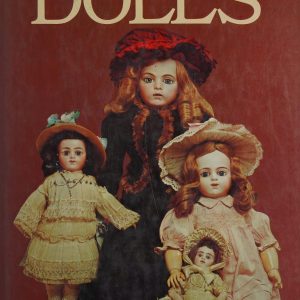
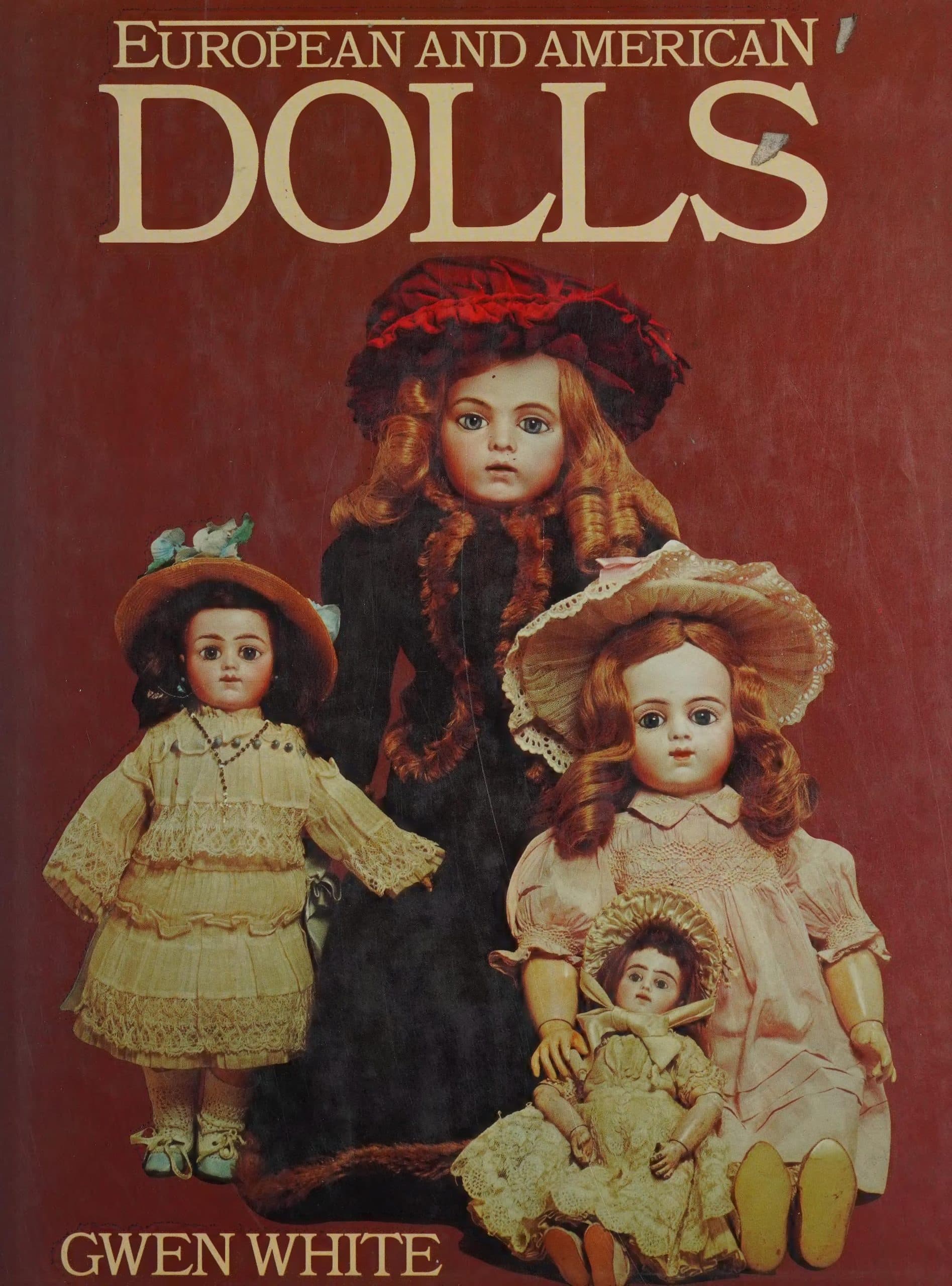
European and American dolls history, dollmaking – and their marks and patents 1966
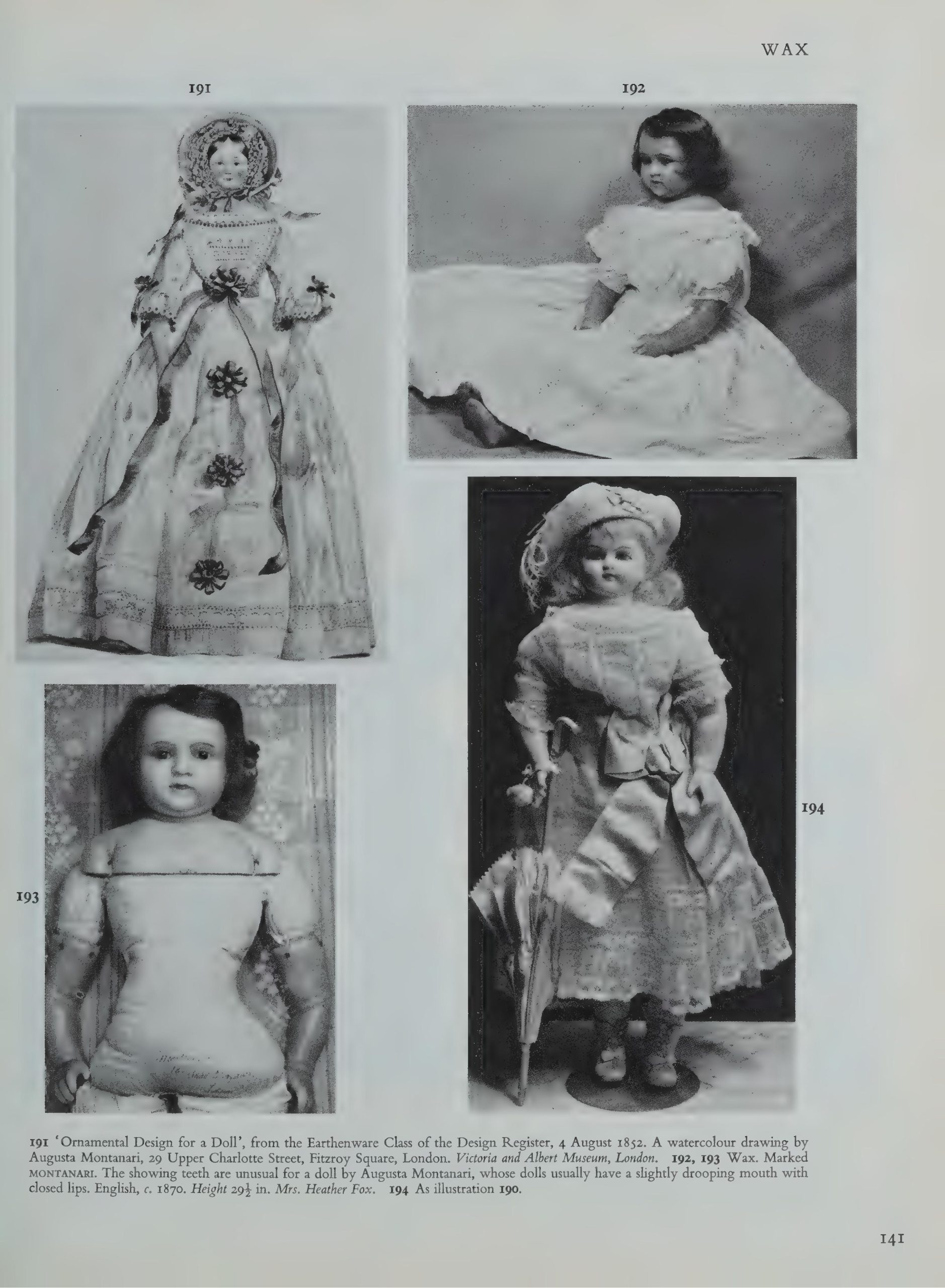
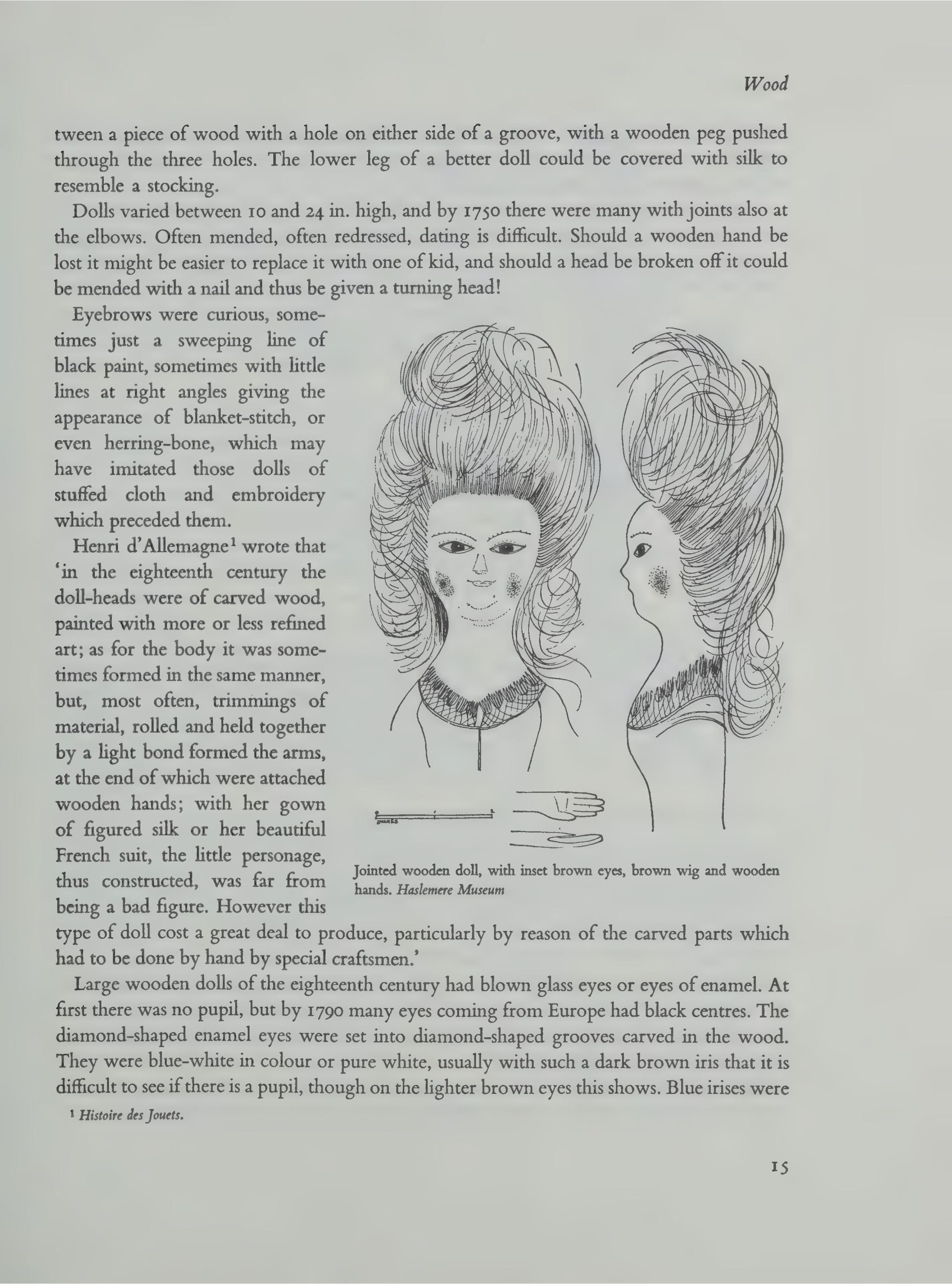
While the book covers a span from medieval Nurnberg to the period just before the first World War, it is on the nineteenth century that Miss White rightly concentrates. She studies first of all the materials from which Does have been made: wood, papier maché and compositions, ceramics, leather, wax, rag, rubber, metal, celluloid.
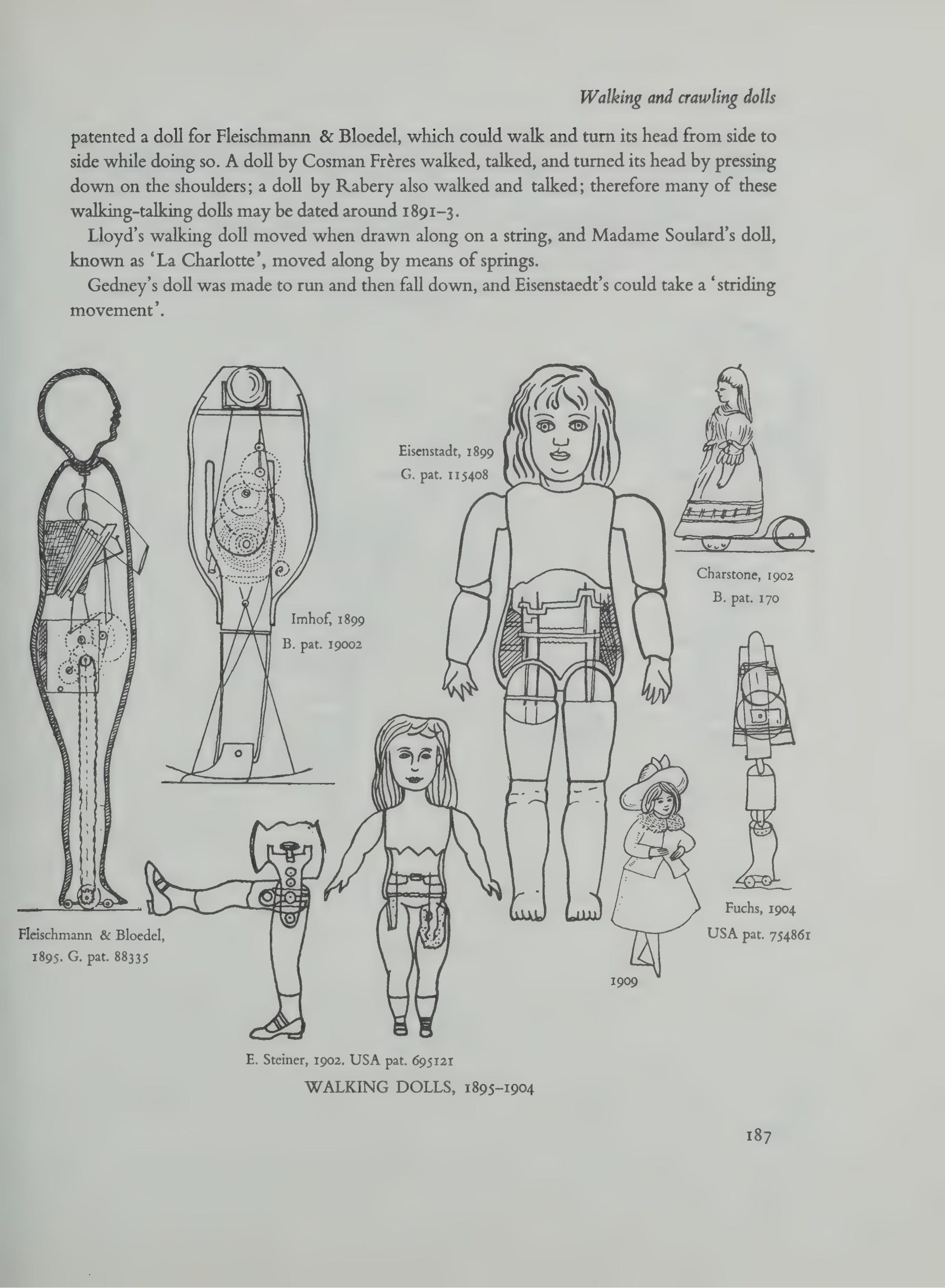
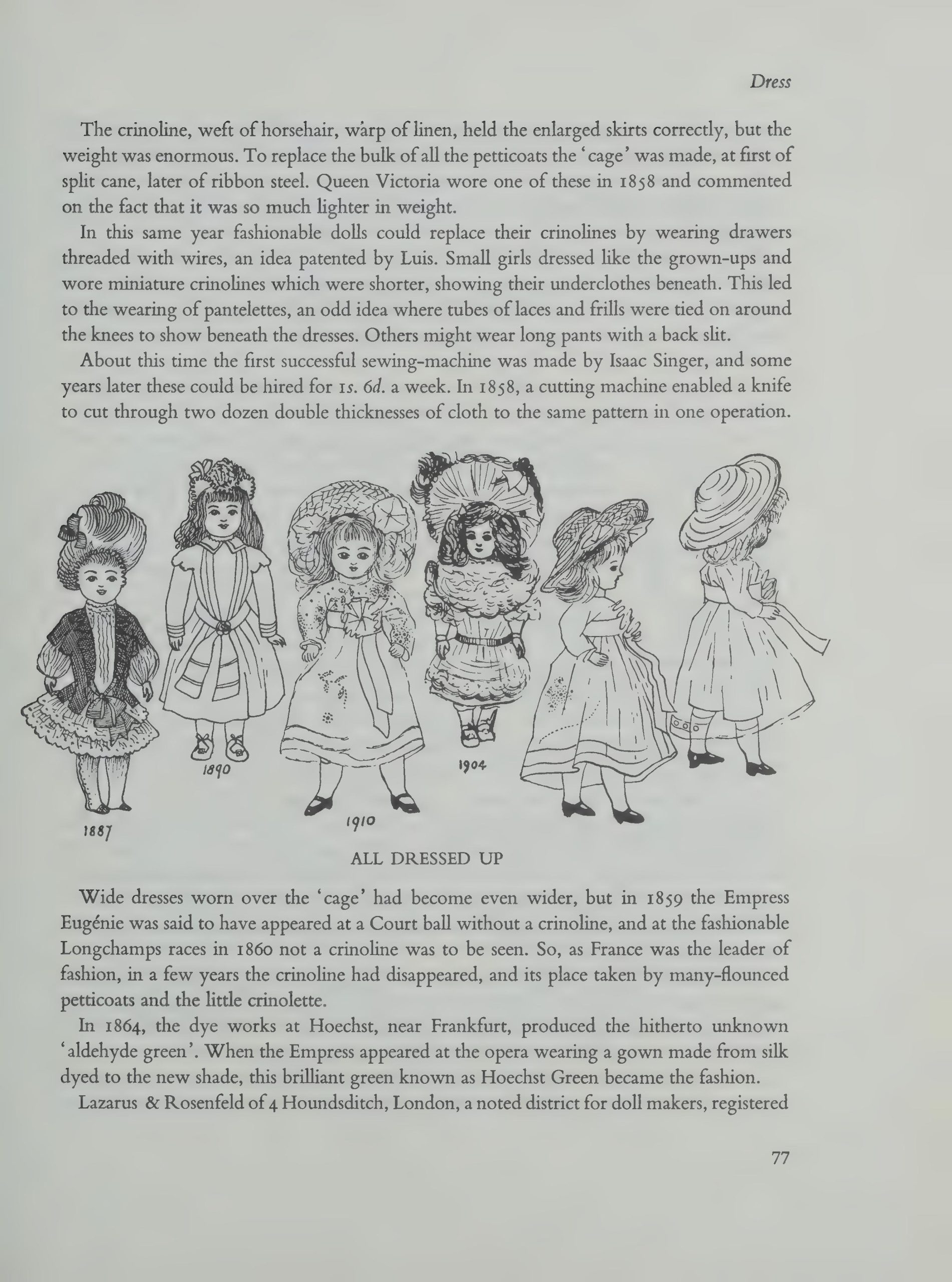
Then she concentrates on particular details: hair, eyes, joints and dress. Next, a section describes such doll novelties as talking and singing, walking and creeping, feeding, “more than one face,” swimming, upside-down-dolls, oddities, and paper dolls. Finally, there is the section, illustrated by 625 examples, of the Marks, including makers’ names and initials, monograms, trade names and box labels. There are Gwen White’s own drawings, elucidating technical details of manufacture, dress or material.